San Blas and the Caribbean8 min read
The Guna people of Panama: culture, traditions and life on the San Blas islands
Aga
Crew member on Vision ·
The autonomous Comarca de Guna Yala, the rules visitors follow, hand-sewn molas and everyday life in villages without hotels, with rising sea levels hanging over it all. A portrait of a people who won their autonomy on the San Blas islands.
What comes to mind when you hear about the Indigenous peoples of the Americas? Native Americans in feather headdresses, living in tipis and sending smoke signals between settlements? Or the Maya and their world-famous pyramids? You surely know these aren't the only American communities from pre-Columbian times. Let me tell you about one of the lesser-known ones that is still quite large: the Guna people of Central America.
The culture of Central America's Indigenous peoples: from the pre-Columbian past to today
Before Columbus arrived, an estimated 5 to 25 million people lived in Central America. The wide range comes from the lack of original records from that period. Today the Indigenous population of the region is about 8 million, but it makes up only 14% of all residents.
Panama's Indigenous peoples: Guna, Ngäbe-Buglé and Emberá-Wounaan
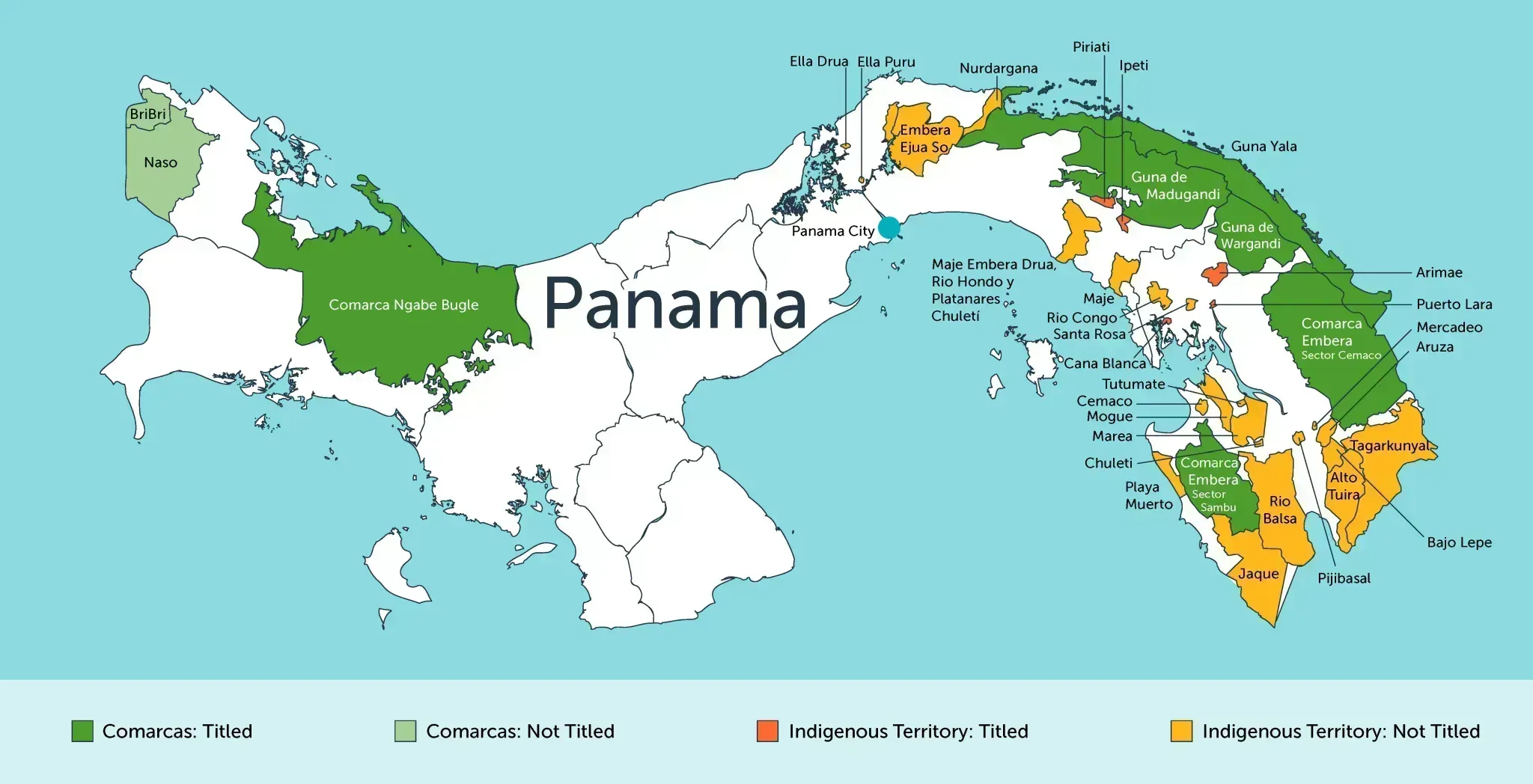
The picture is similar in Panama. The largest groups you can meet here are:
- the Ngäbe-Buglé, who occupy a large area in the western part of the country,
- the Emberá-Wounaan, who settled in the east,
- the Guna, who hold a narrow strip of the mainland in the northeast and all the islands of the San Blas gulf.
Source: The Panama Adventure
What set the Guna apart from the others was their fierce fight with the Panamanian government for autonomy. A fight that, as it happens, ended in unexpected success. According to statistics, the Guna population was about 100,000 in 2023, but many people have most likely moved from Guna lands to Panama's capital.
Guna autonomy: how the Comarca de Guna Yala came to be
If I had to pick one thing that unites all Guna people, it would be a strong need for independence. Whether we're talking about the autonomy of the whole district or the freedom to manage their own piece of an island, everyone agrees it's their basic right. Maybe it was their persistence that convinced the Panamanian government to carve out an independent Comarca de Guna Yala. Or maybe it was pressure from the United States, which was deeply involved in building the Panama Canal at the time.
Rules and customs in the Guna community: what to know before you travel to San Blas
When you plan a trip to San Blas, be ready to meet a culture that is nothing like European culture. There are norms here that both residents and visitors respect. Taking photos and filming is a good example. Unlike the rule we're used to, where filming a crowd doesn't require the consent of the people in it, here you have to ask for permission every time. This applies especially to religious and cultural events and places of worship. It's also good form to ask each person for consent before photographing them. I've been turned down several times myself, which confirms a general dislike of cameras.
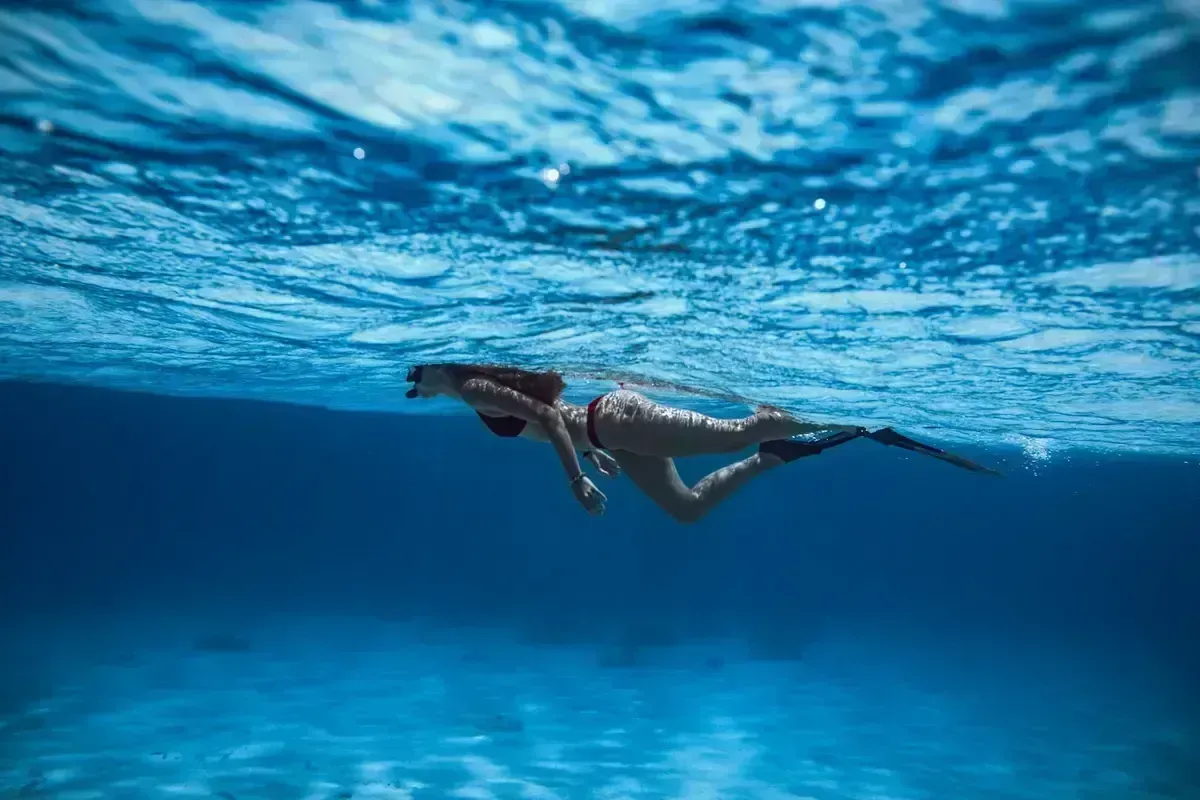
Other bans that may seem puzzling to us: no scuba diving, surfing, kitesurfing or wakeboarding. Luckily, snorkeling isn't on the list. That means we can enjoy the underwater life of San Blas. With respect for the plants and animals, of course: touching marine animals and damaging coral reefs is forbidden.
Read about our favorite snorkeling spots
Entering Guna Yala: fees, passport checks and local rules
Getting to San Blas, which anywhere else would be a simple bus ride, isn't so straightforward here. There's no public transportation, and access along the one and only road is strictly controlled by the Guna Congress. Only vehicles with a special license are allowed in.
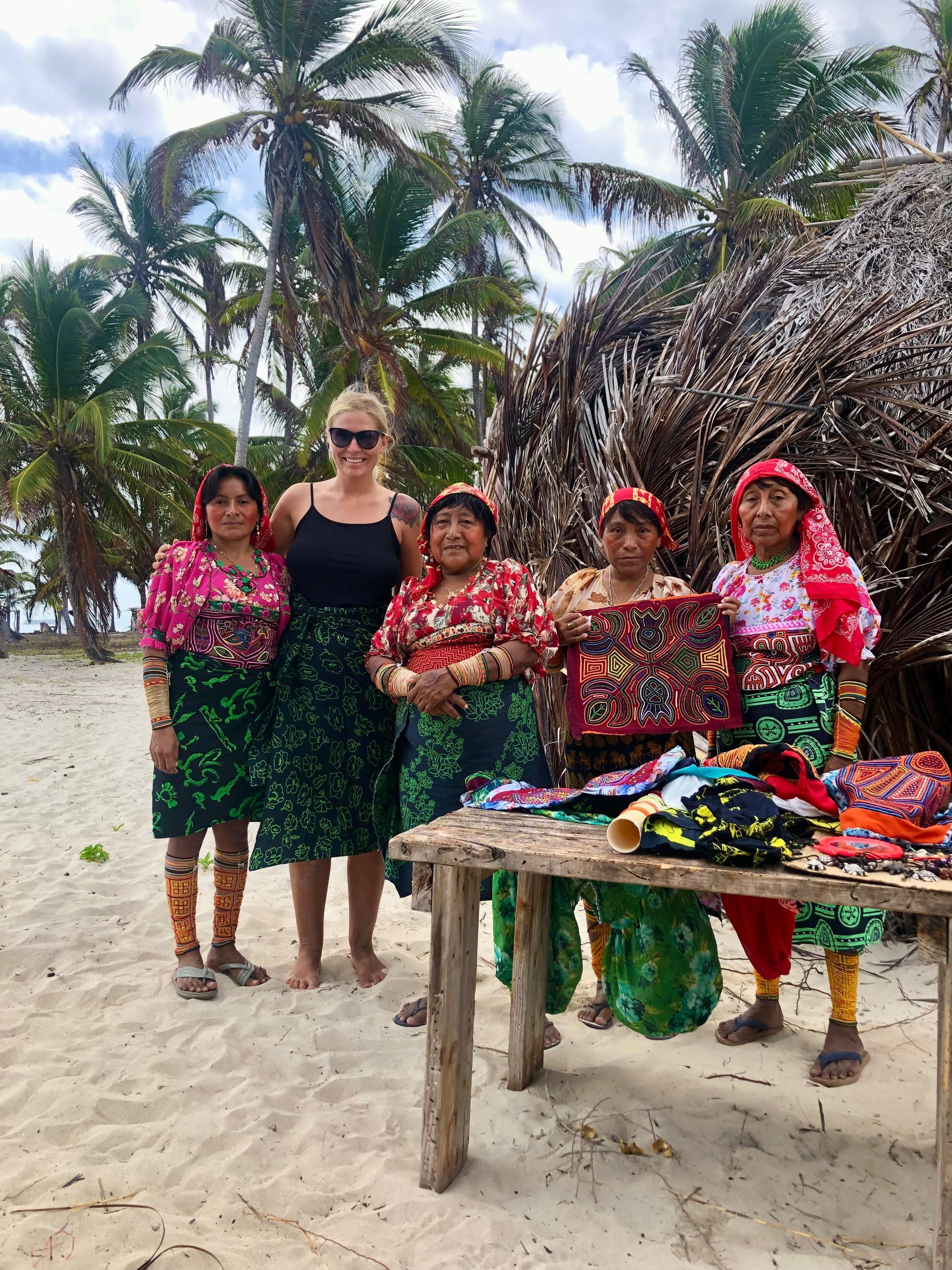
At the border between Panama and the autonomous district of Guna Yala, expect a passport check. You also have to pay a visa fee of 23 dollars. That's not the last mandatory expense. The owners of some islands also charge a landing fee. It's usually 3 dollars, but this mostly applies to places that host day trips. On our sailing trips we generally skip them.
A San Blas sailing trip and Guna culture: an experience you'll never forget
Now we know the rules and the bans, but they're not what draws people to San Blas like a magnet. Traveling through Guna Yala territory feels like traveling back in time.
San Blas without hotels: life among wild nature and traditional Guna villages
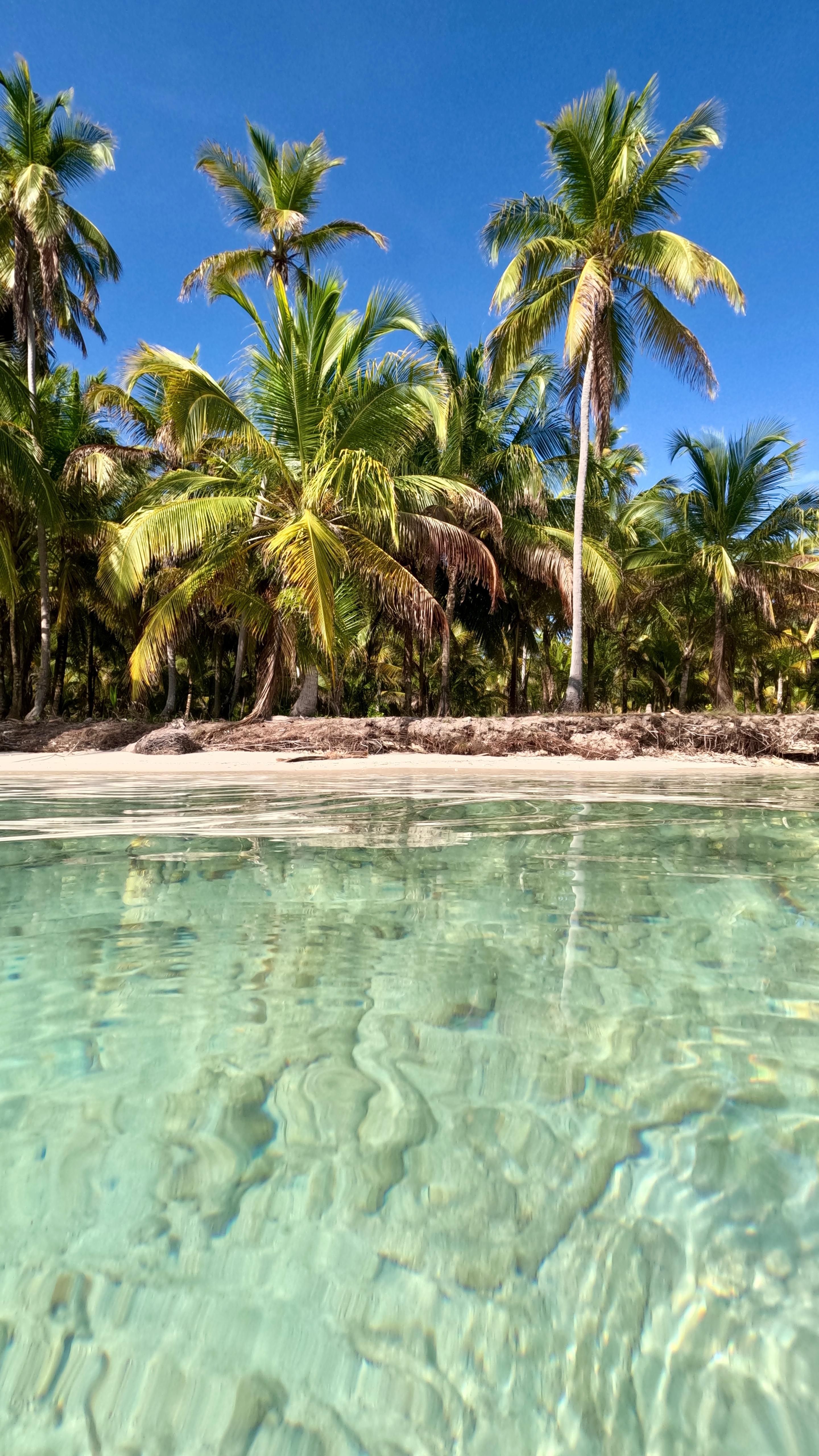
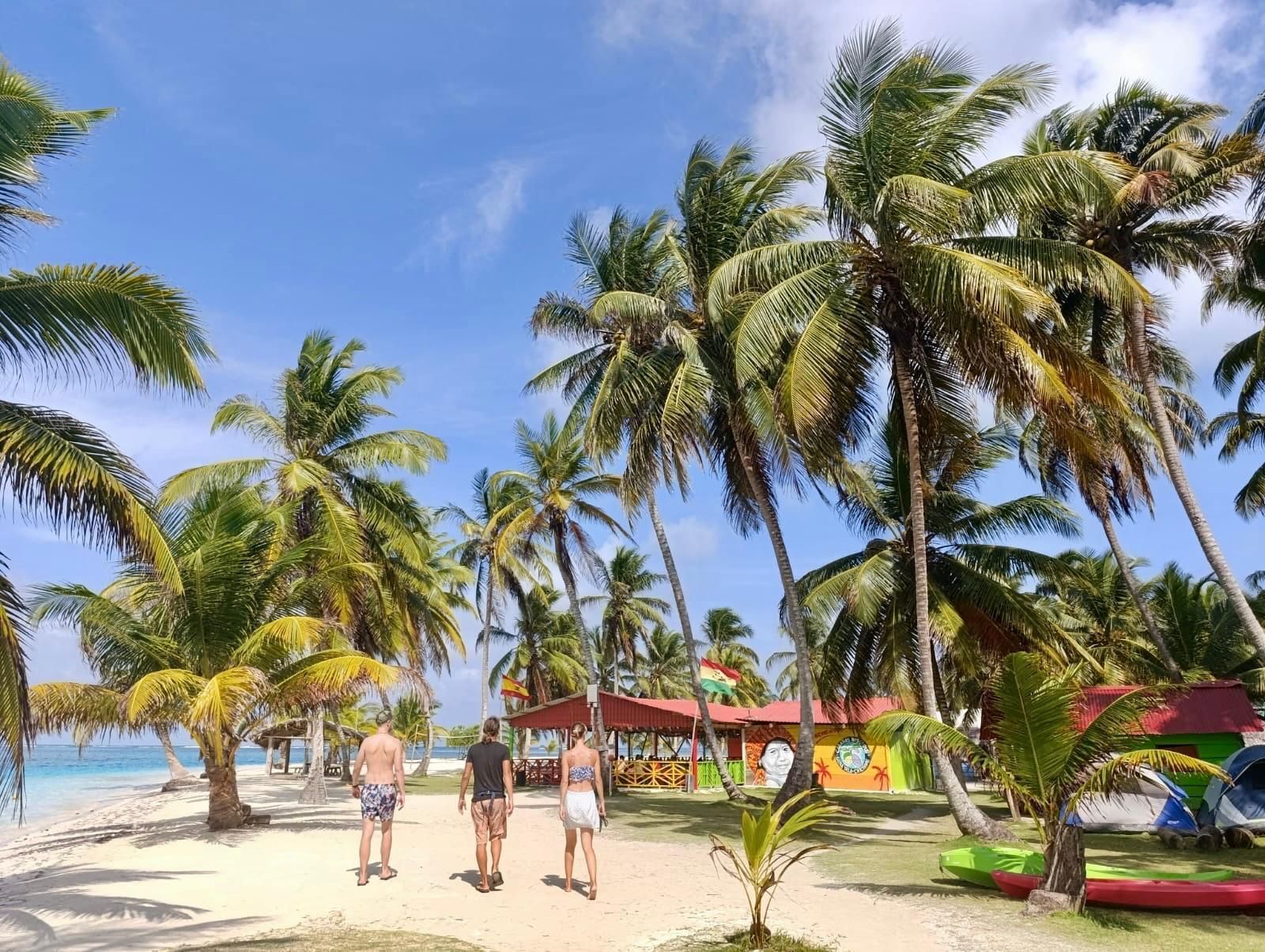
Don't bother looking for big hotels and resorts here. San Blas is made up of uninhabited islands, wild jungle and villages packed with wooden huts. Here and there you'll spot a concrete house or a few basic guesthouses without floors or bathrooms. The Guna take care to preserve the unique character of this place and allow only sailboats to stay here, which fit perfectly into the paradise landscape. They themselves paddle between them now and then in canoes they've made by hand.
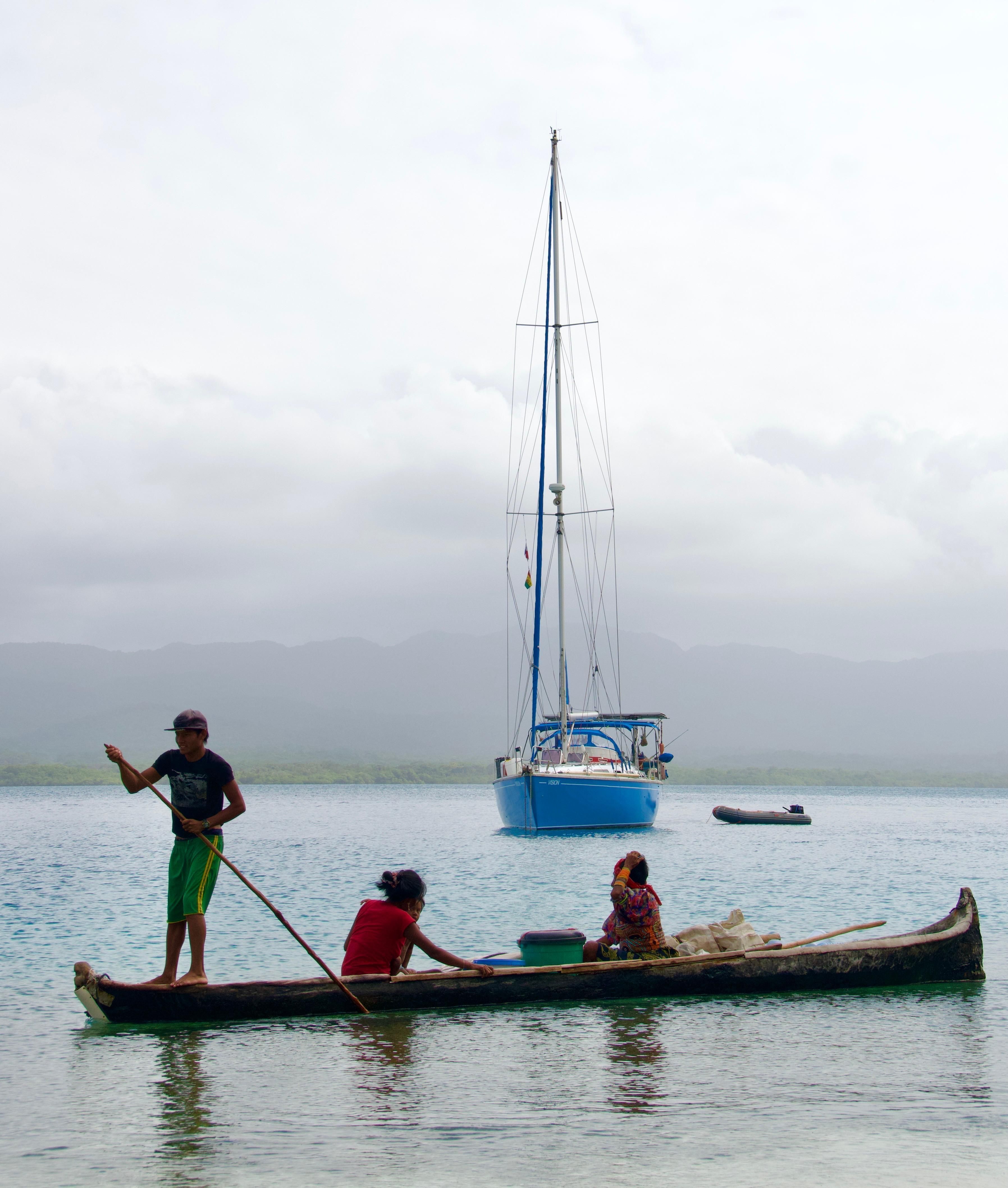
Community and everyday life of the Guna people on the San Blas islands
As you'd expect in small communities, especially ones separated from each other by the sea, everyone here feels part of the group. It's common to see small children running through the streets, seemingly unsupervised. But you can be sure they're being watched by every adult in sight.
When the men gather in the evenings for meetings of the local congresses, the women come out in large numbers to meet their friends. It's a good moment to admire their colorful clothing, which they wear to honor the culture of their ancestors.
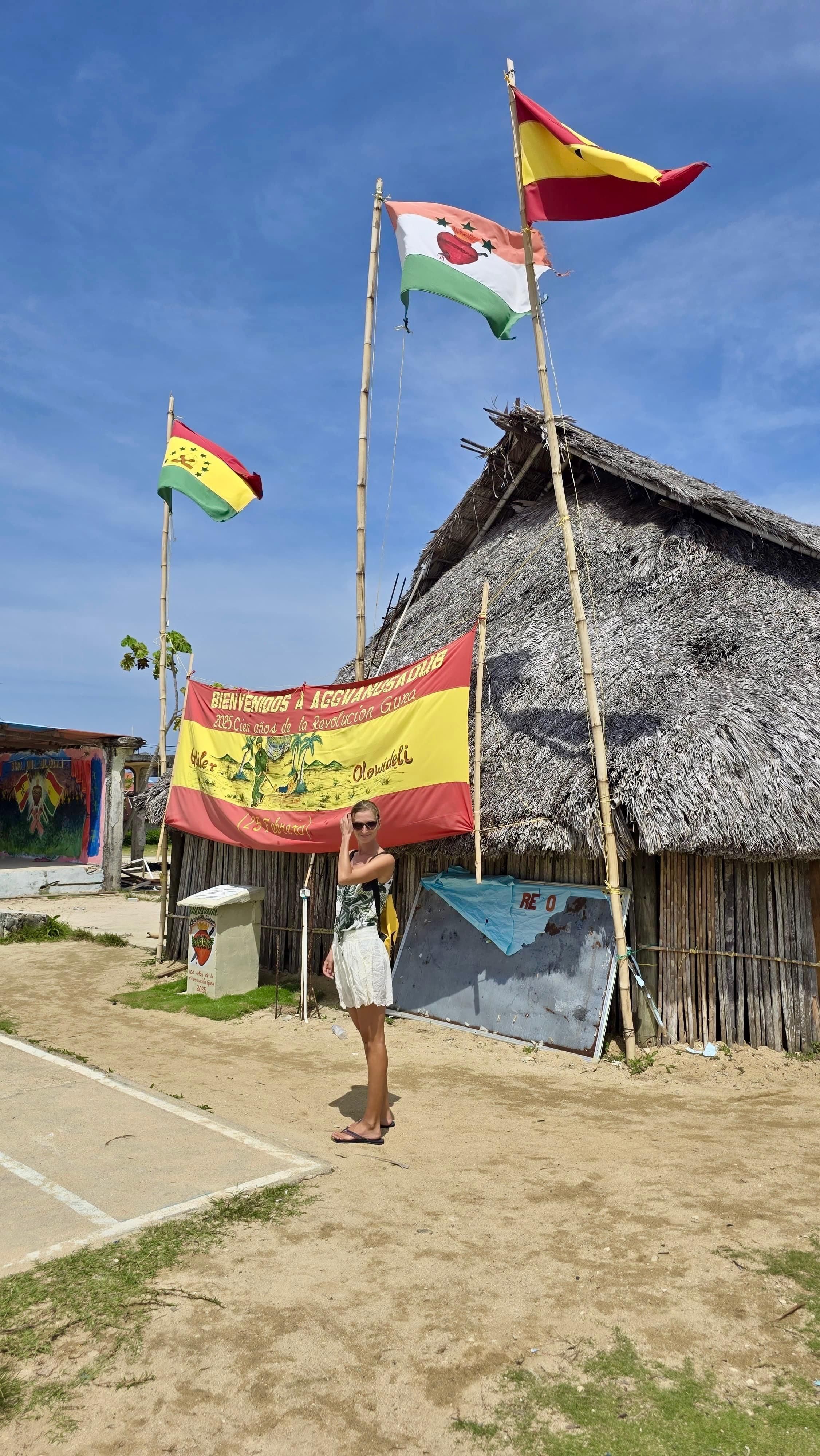
Being part of a village comes with certain duties. One of them is working the shared fields. Every resident has to go up into the hills now and then to tend the bananas or rice growing there. Another task might be looking after islands that belong to the whole village or to a particular family, or gathering palm leaves for thatching the huts. Dead coral is collected too, to build up the shores of the inhabited islands. That's how the Guna defend themselves against ever-rising sea levels.
Molas: the traditional handicraft of Guna women and a souvenir from San Blas
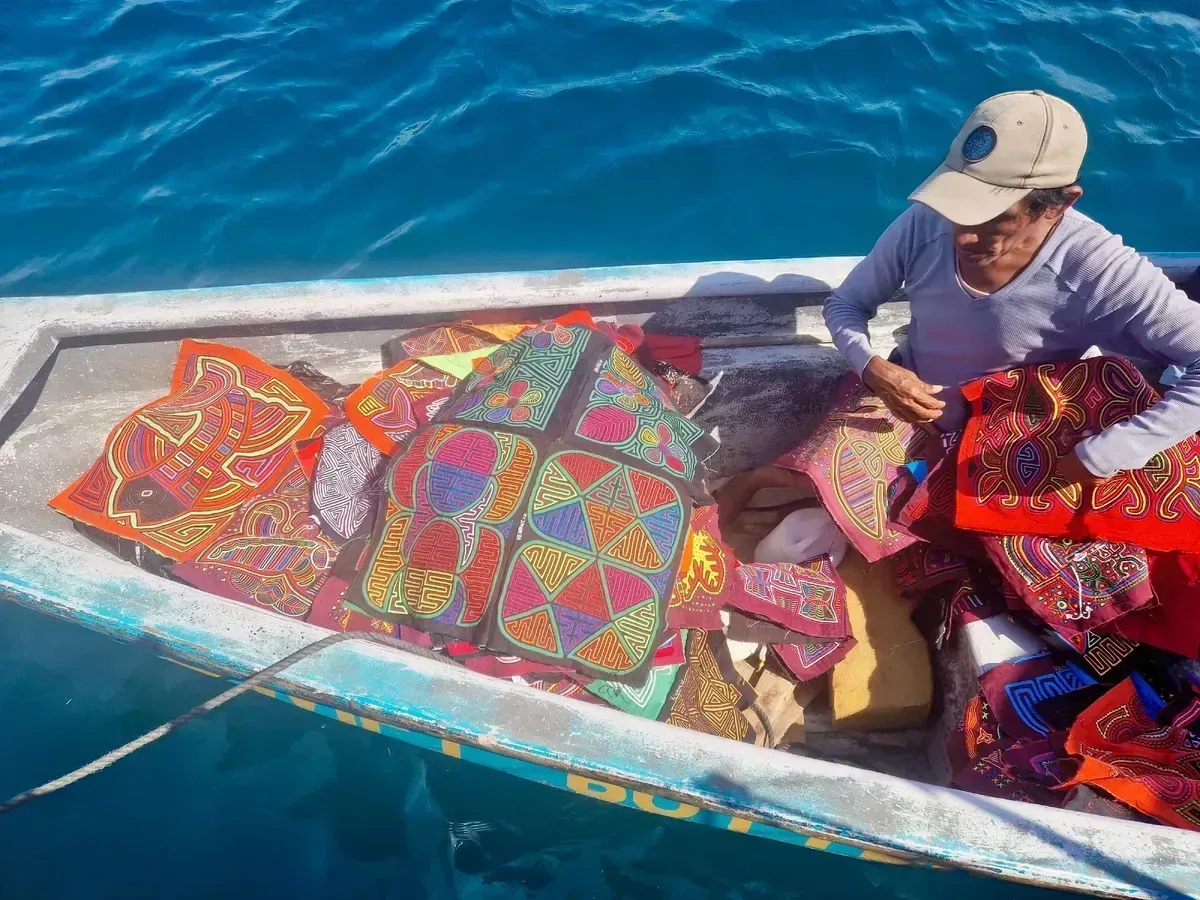
When you visit San Blas, you'll surely come across stalls selling colorful molas, hand-sewn textile panels. The women who make them often paddle up to the boats in their small canoes. Molas are a one-of-a-kind souvenir from Panama. And you can be 100% sure that each piece was made right here.
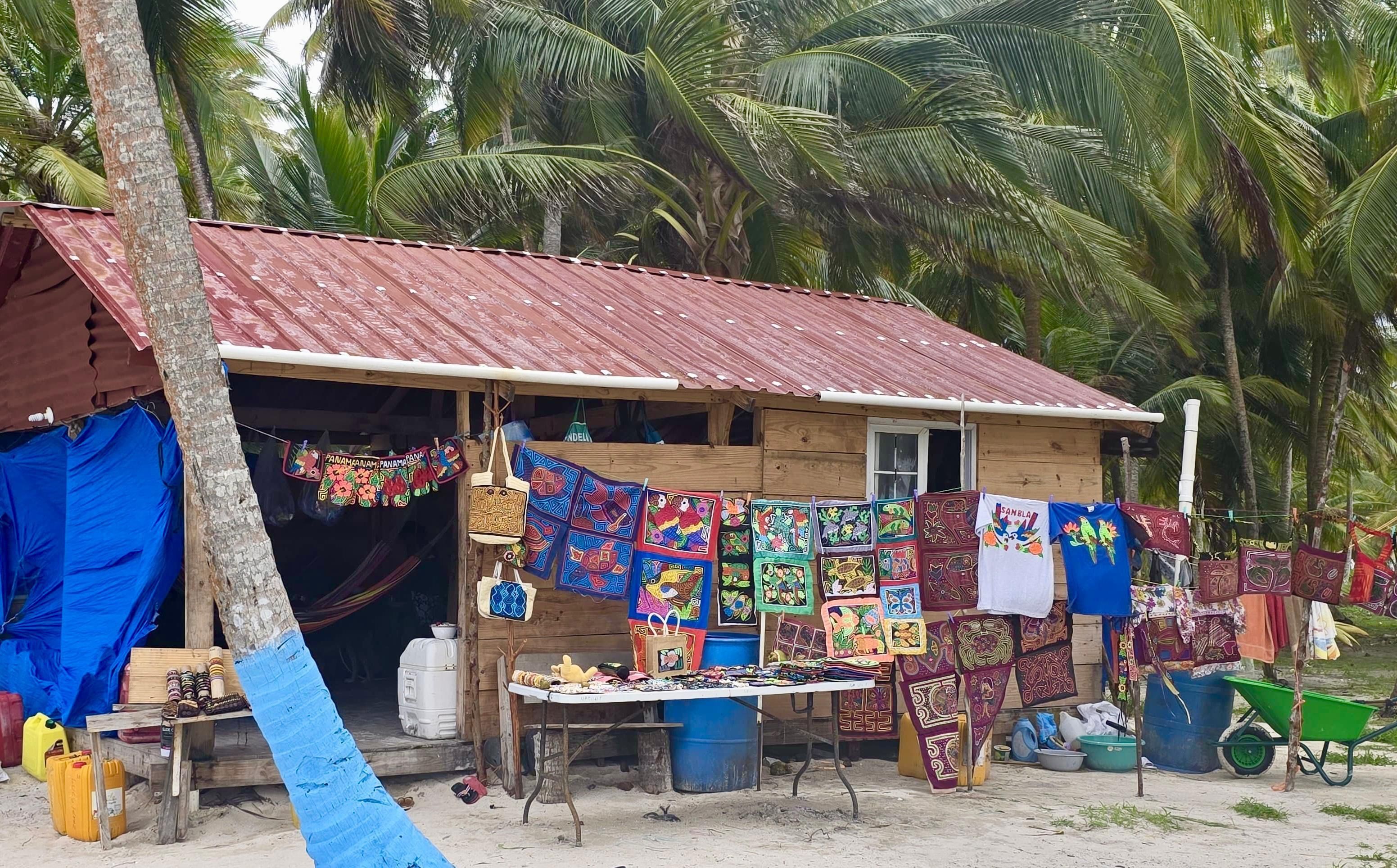
The history and symbolism of the mola: how this unique needlework is made and what it means
Wearing colorful symbols on blouses goes back to the days when the Guna didn't wear clothes at all. Geometric symbols painted directly on the skin were meant to protect against evil spirits. The more complex the pattern, the better the protection.
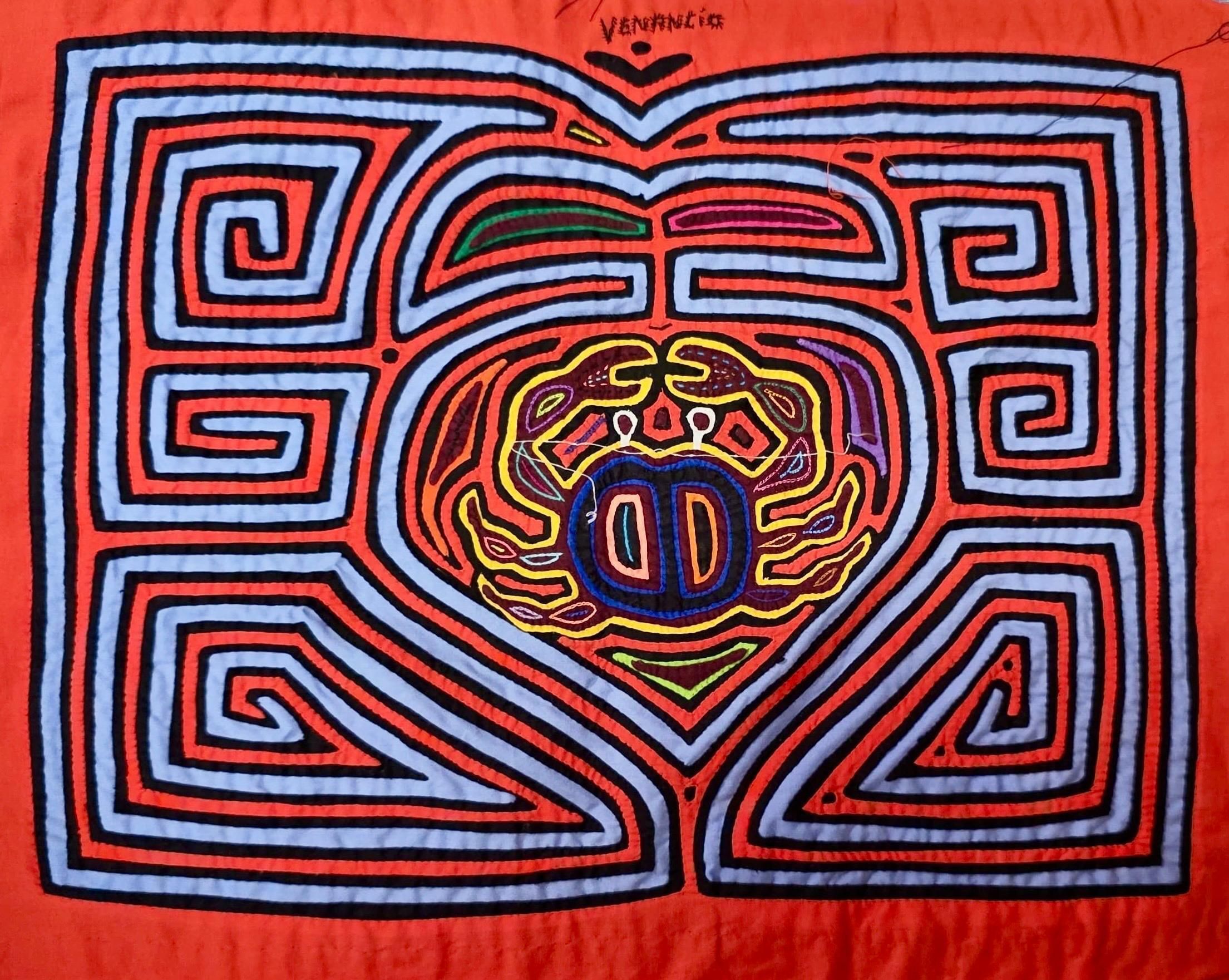
Making a mola is anything but simple. The technique involves sewing several layers of colored fabric together, then bringing out the patterns by cutting away pieces of fabric with scissors. The value of a mola grows with the number of layers. No wonder: making one takes 60 to 80 hours.
How Guna women dress: molas, jewelry and the traditional ideal of beauty
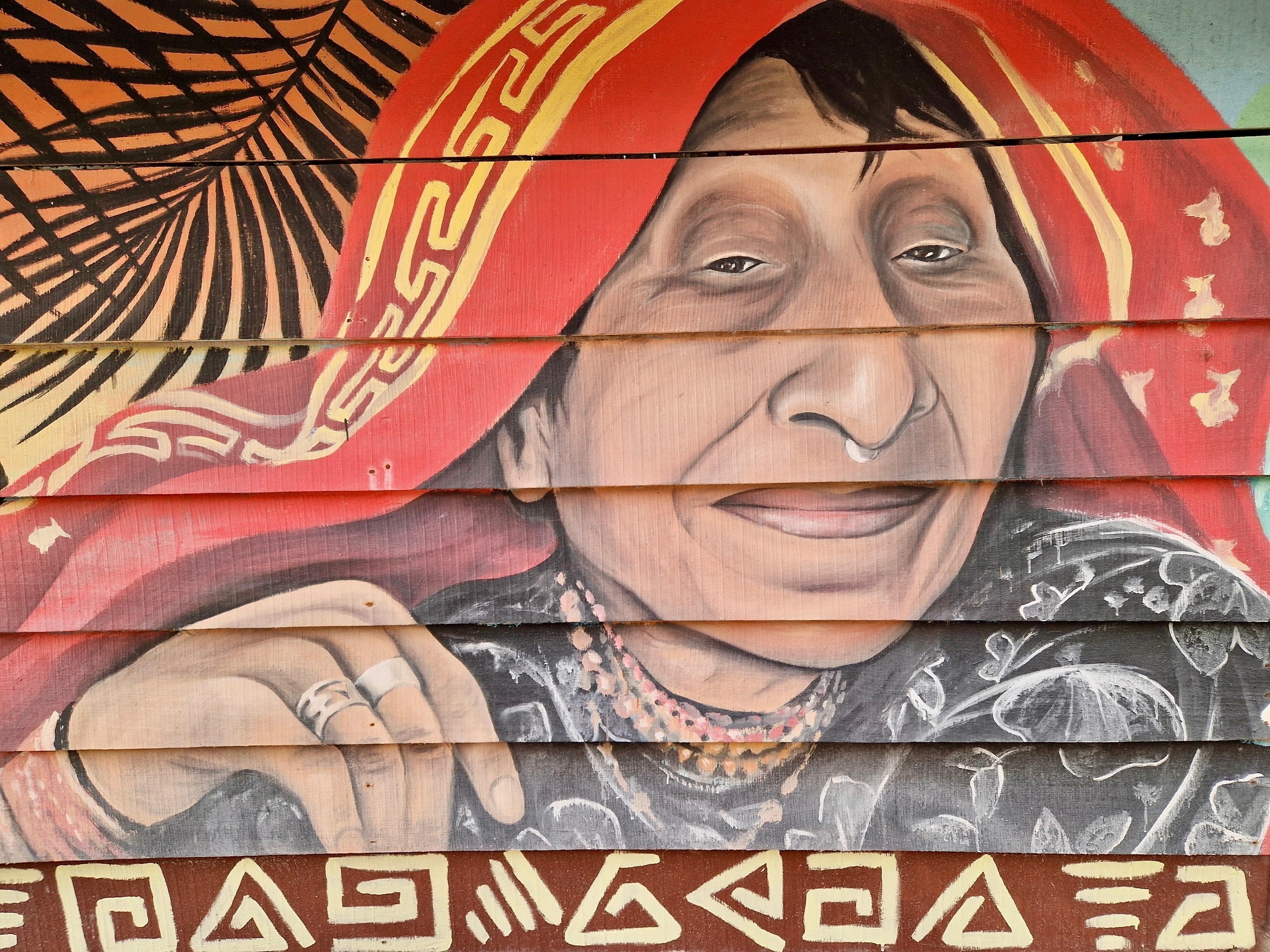
Geometric patterns on the blouse, a black skirt with a distinctive print, a red scarf on the head and countless bracelets on the forearms and calves. That's the typical outfit of a Guna woman. The beadwork they wrap around their limbs forms geometric patterns too.
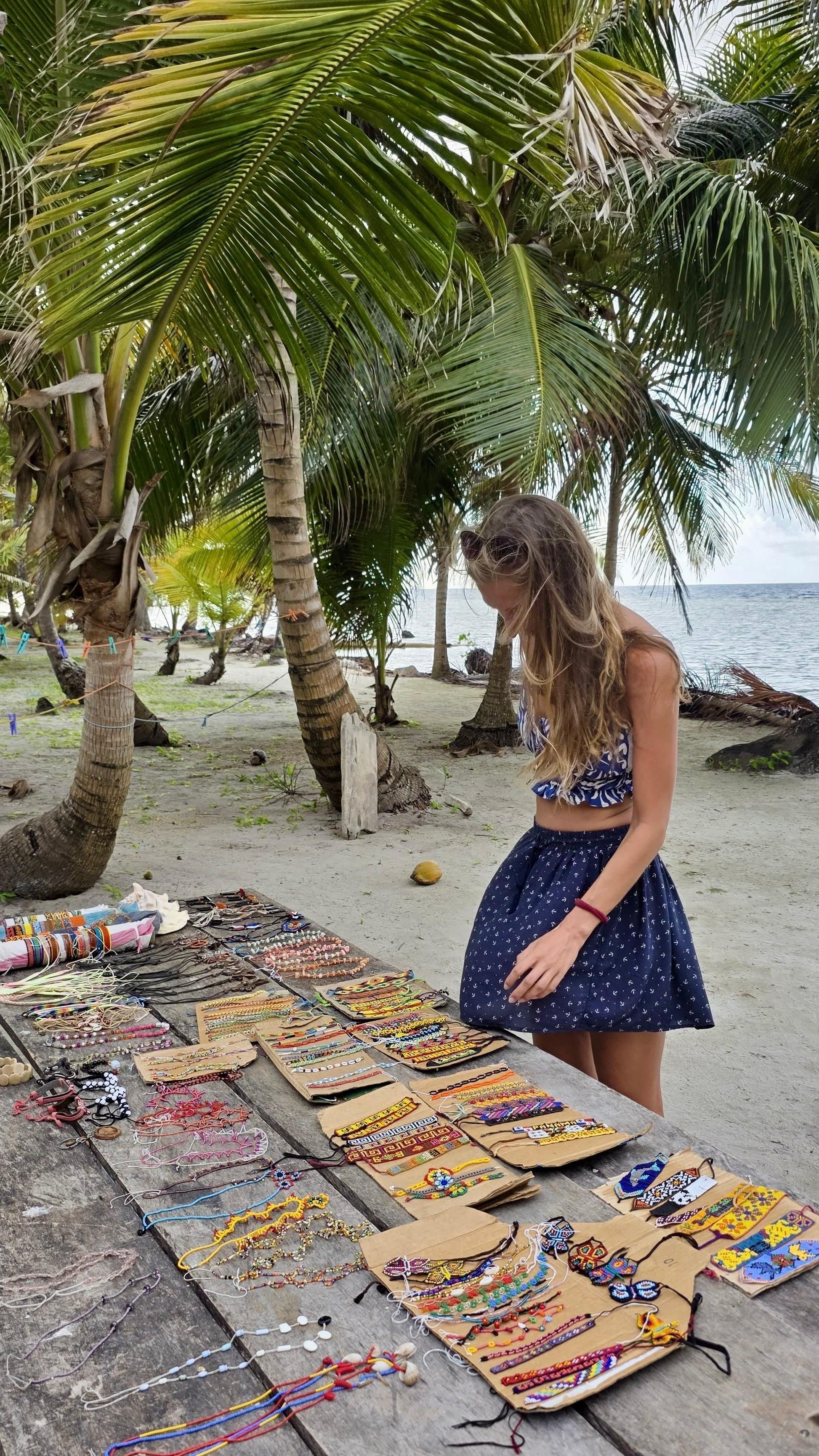
Since the bracelets fit tightly against the body, each one is made to measure. If you think this is another local belief, you're wrong. The tight bracelets are meant to slim the wearer's calves. Slim calves = sexy calves, or at least that's the local ideal of beauty.
A disappearing Guna culture: the last chance to see San Blas in its traditional form
Unique as it is, Guna culture is probably doomed to disappear, just as has happened in thousands of similar Indigenous communities. The number of people living by age-old traditions shrinks every day. We can blame Western civilization, but it's hard to begrudge anyone for wanting to enjoy the benefits of the modern world.
The move to the city will also be sped up by the sea inevitably flooding the villages. Because of global warming, and the rising sea levels that come with it, about 1,000 people from the village of Carti have been evacuated to the mainland. A similar fate awaits the other villages and the uninhabited islands. They'll quietly disappear under the water.
San Blas is disappearing: how climate change affects the islands and the future of the Guna people
This Caribbean paradise is disappearing before our eyes, and all we can do is enjoy it while it's still here. Thanks to the brave Guna people, who first fought for autonomy and now guard their land against any kind of exploitation, you can experience the beauty of the San Blas gulf. Stop for a moment and watch the life of the local community, in step with the rhythm of the sea, with no clocks and no rush.
Join one of our San Blas sailing trips and get to know the one-of-a-kind Guna culture.