San Blas and the Caribbean11 min read
On the trail of crocodiles: a night trip through wild Panama
Aga
Crew member on Vision ·
A night boat trip up the river with a Guna guide: red eyes glowing in the undergrowth, stories of hunting in Guna Yala in the old days and coming face to face with a young crocodile.
There are as many reasons why people drop everything and move to the other side of the world as there are people who have done it. But among our friends, mostly sailors, one theme keeps coming up: being close to nature. What fascinates us both in the endless ocean and in the uninhabited forests of Central America is how wild they are. The feeling that everything here is real. The animals aren't tame: a dolphin won't do a pirouette for you on command, and you can't pet a kinkajou like a house cat. We admire whatever nature decides to show us. This time it showed us crocodiles.
Central America's wildlife by moonlight
"Just remember your flashlights." That's the message I get from Max, a young guy from a nearby village, as it starts to get dark. I check that our headlamps are charged and look for my dive light. Who knows what might come in handy. I think we're lucky, because the moon is almost full tonight. If it's brighter, we'll probably see more.
Crocodiles are everywhere: you just have to know when to look
It's not entirely clear who first came up with the idea of looking for crocodiles in the middle of the night. We'd been telling our guests about caimans that, never mind the salt water, can venture out to islands as far as 10 miles from shore. We even tried to spot them in the mangroves, but usually without success. Then we went on our first jungle trek and started asking our guide about them.
Read more about our jungle trips and what you can find there.
"Yes, we have lots of crocodiles here," he confirmed. "But you probably won't see them during the day. They only come out of the undergrowth after dark."
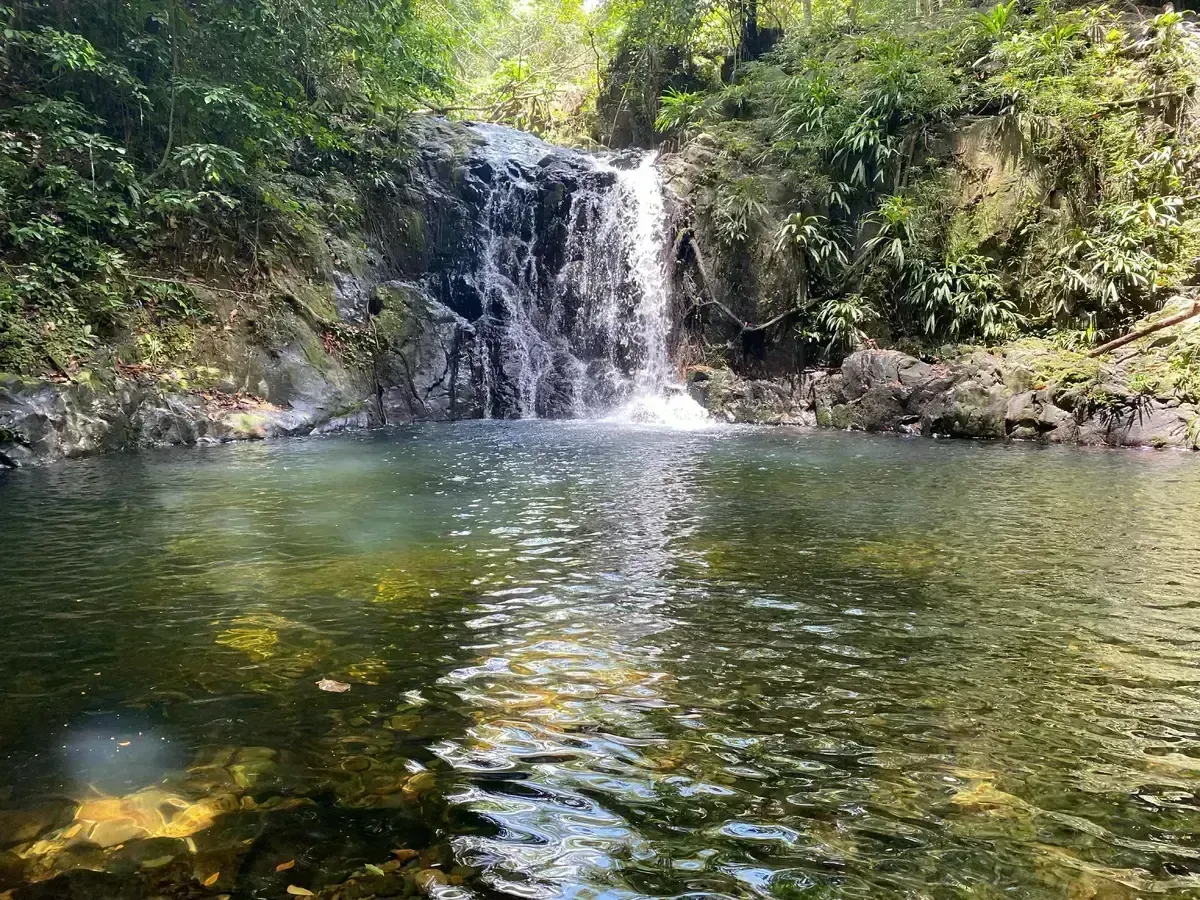
We thought that was a real shame and went back to swimming in the waterfall. The topic came up a few more times in conversations with our friends, until we got a message from the guide: "How about a night trip on the river? There will be crocodiles."
"He must be crazy." Coming from people who live on a 14-meter sailboat in the Caribbean Sea, that sounds pretty funny, doesn't it? Well, since we'd already decided to do strange things in life, it would be rude to turn down a chance like this. We were just waiting for the right company for the adventure.
How to spot a crocodile in the dark
Everything looks familiar. After all, two days earlier I'd been on this same boat on this same river with Michalina. Except this time it's pitch dark. All we know is roughly where the mouth of the river is. A little girls' night out.
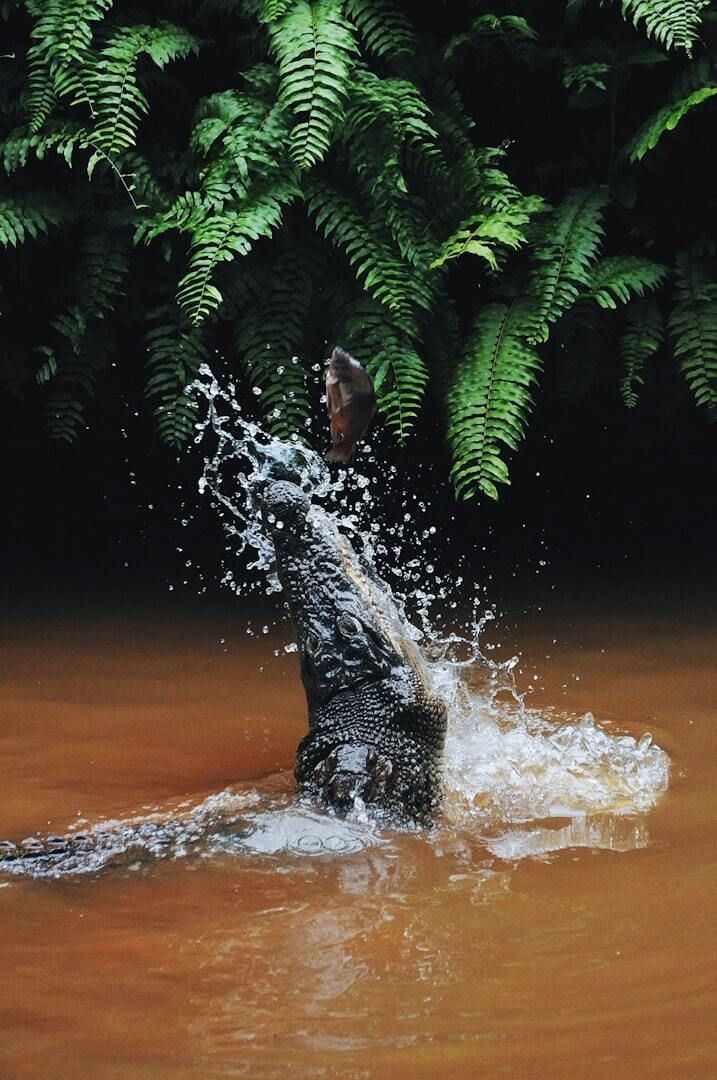
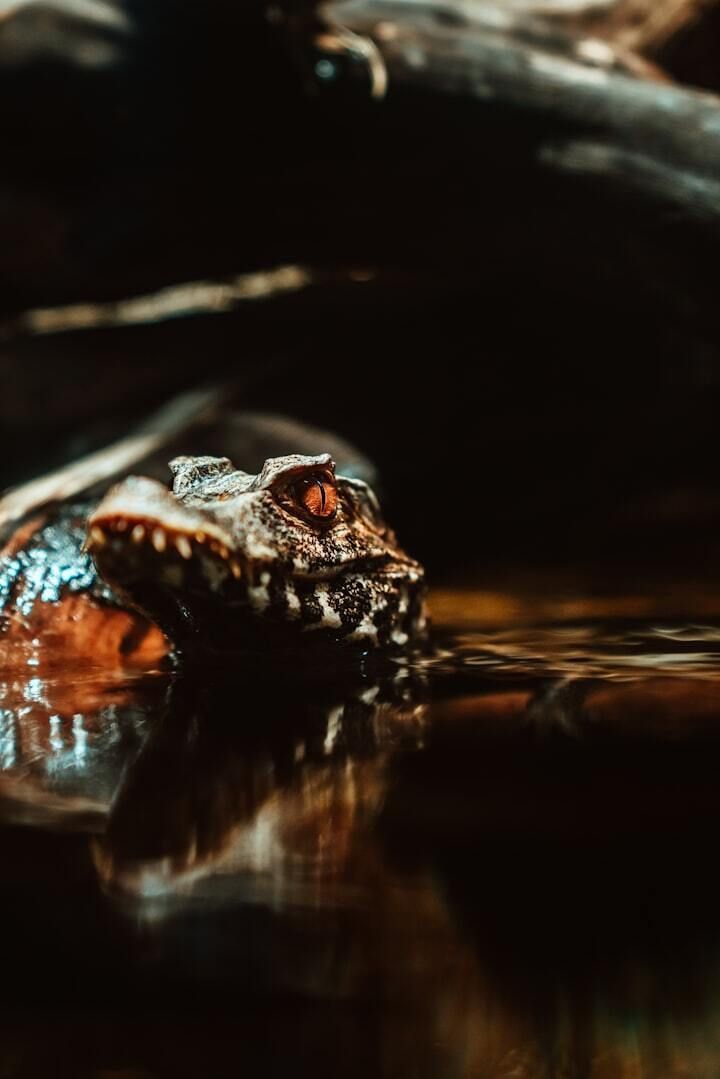
"Turn on your flashlights and look for crocodiles. You'll recognize them by the red reflection in their eyes." I was about to ask what if I saw a different eye color, but red eyes lit up as soon as I pointed my light at the bushes. Before I could get a good look at their owner, they vanished under the water. I guess that's a normal reaction for a wild animal. When it sees people, it runs. Max reassures us that the night is still young and there will surely be more of them soon.
The hunters of Guna Yala: where tradition meets modern life
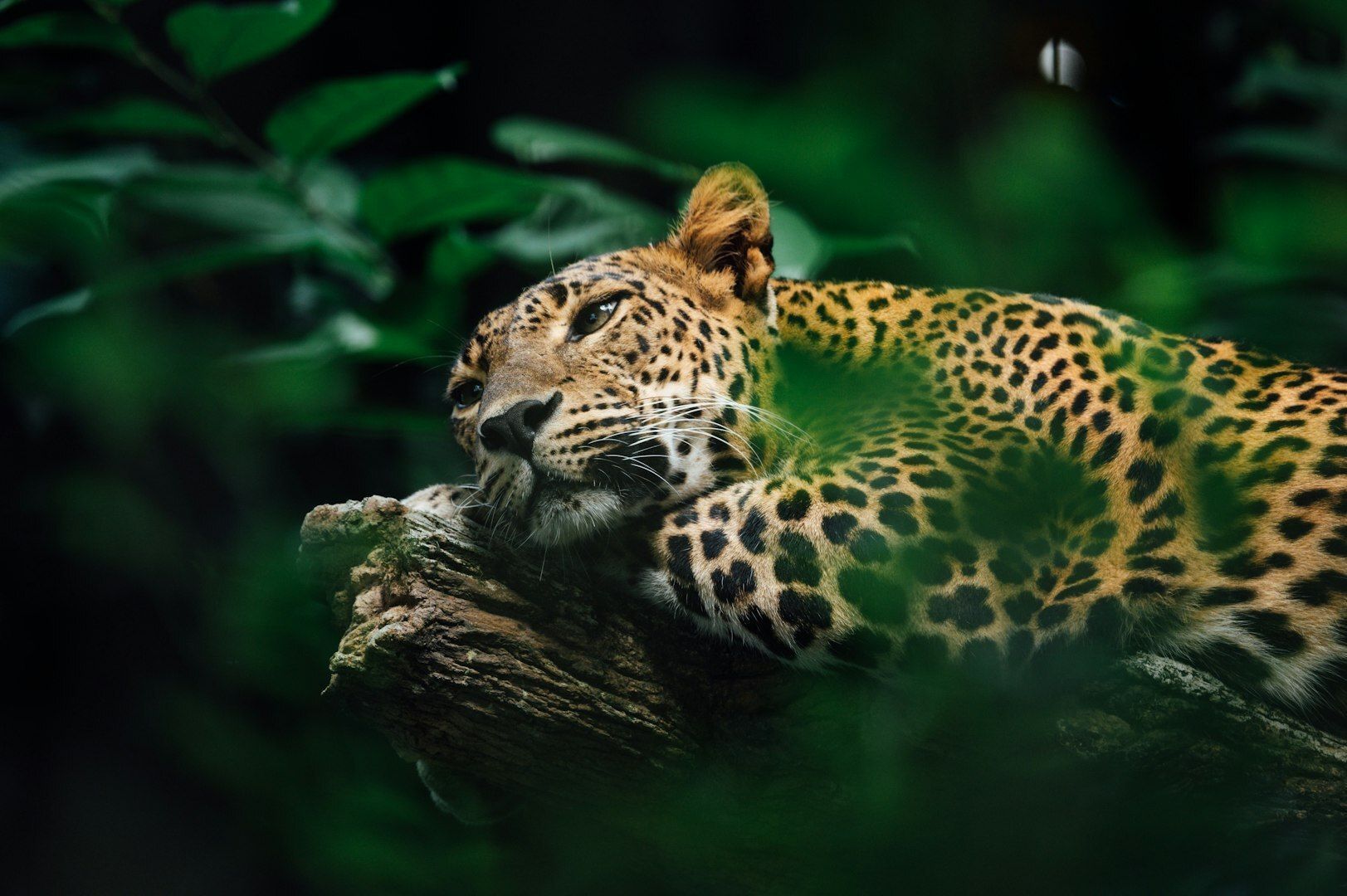
Before civilization reached Guna Yala, which wasn't all that long ago, hunting was a popular occupation among young men. For food they mostly hunted small mammals, and for protection, big cats. In fact, that was the very first thing that greeted us in Panama when we sailed here from Colombia more than 2 years ago. Tired and glad to finally have somewhere to hide from the merciless waves (anyone who has sailed off Colombia in winter knows), we anchored in the bay by Puerto Escoces. Before we knew it, a delegation of Guna men set out toward us from the makeshift huts on the water. As it turned out later, they were guarding the village's banana plantation there.
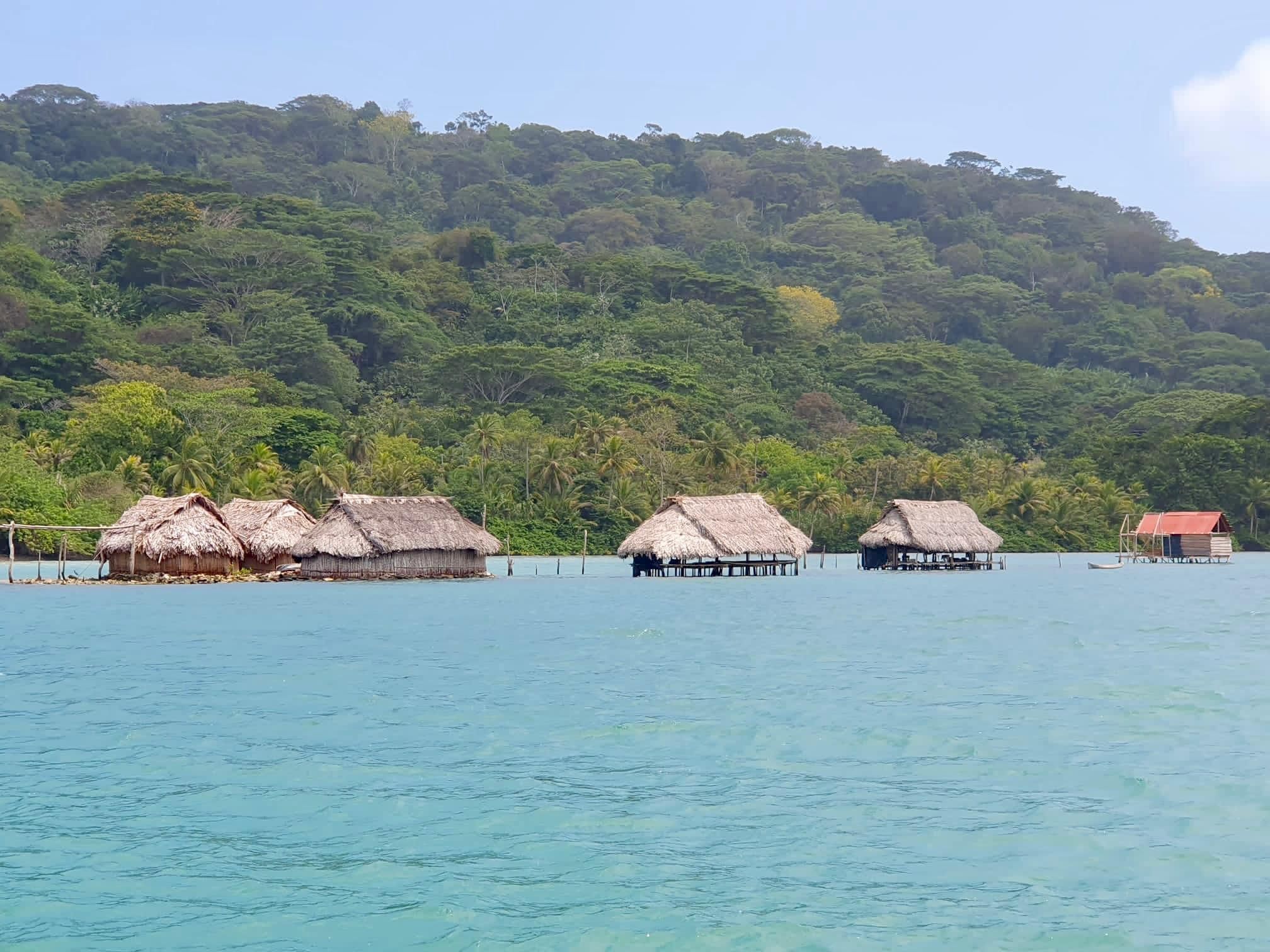
Paweł had a few words with them and went back below deck to explain the situation to the crew: "Listen, five Guna men just came over, two of them armed with hunting rifles. In their boat they have a bloody jaguar leg and something that looks like its jaw. They want 10 dollars from us for anchoring in their bay. I don't think we'll argue, will we?" Nobody dared to object. We'd expected a world different from ours, but reality turned out to be even more interesting.
Gunshots in the jungle and a lunch that got away
Over the next two days we became sure that the most sensible way to explore the area would be to ask our new friends for help. We couldn't even find a way into the jungle. Everywhere we tried, we ran into a wall of plants. We were convinced the guns they carried were for protection. Even leaving aside the predators lurking in the undergrowth, the Darién Gap is known for human smuggling and the paramilitary groups hiding there.
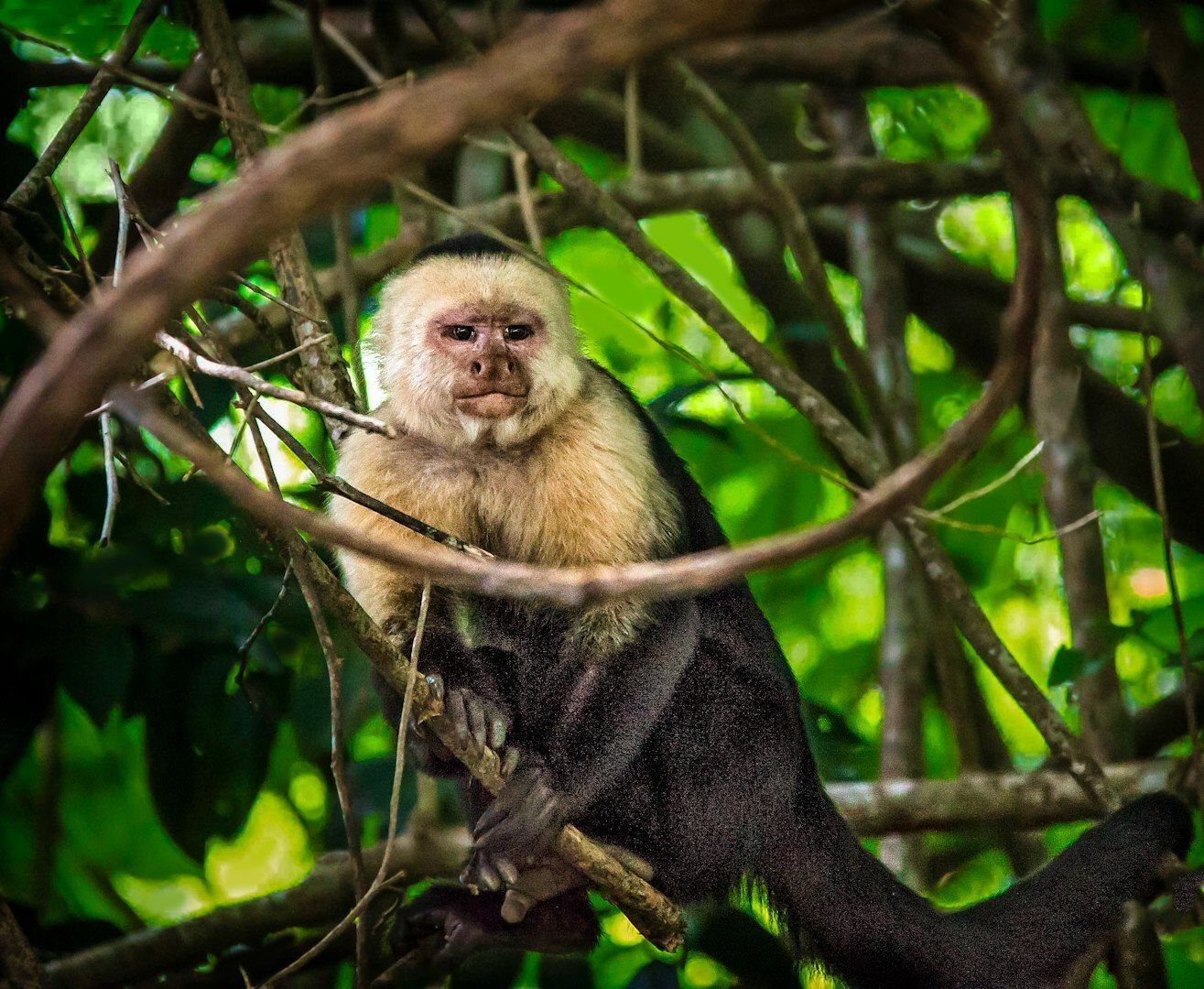
Imagine our surprise when Raul, bringing up the rear of our group, raised his gun and fired somewhere into the trees. We heard a loud shriek and the thud of a monkey's body falling. Our guides, not hiding their excitement, ran after their prey. We froze and waited. Less than two minutes later they came back empty-handed. The monkey had managed to escape. I admit I was relieved, because just being in the Panamanian jungle was exciting enough for me. We asked why they hadn't shot at the other monkeys we'd seen along the way. It turns out they don't eat howler monkeys, only "white-faced monkeys." They must have meant capuchins.
The crocodile hunter
"When I was younger, I often came here to hunt crocodiles," Max tells us. He doesn't look a day over 30. Michalina looks at him in surprise: "Aren't they protected here?" They're not. In fact, they're considered pests, because they eat the dogs that live in the nearby villages. But we shouldn't be afraid, because these reptiles aren't stupid and know very well who the top predator is around here. We also hear that in recent years they've multiplied a lot and are starting to cause problems for the Guna. Most of the men have given up hunting for more modern jobs. Thanks to regular deliveries from Panama City, hunting has also stopped being their main source of food.
And it seems crocodile meat is a real delicacy in these parts. Older Guna can easily make crocodile soup or crocodile steaks. Among young people the skill is slowly fading, but probably every one of them has been fed crocodile stew by their grandmother at least once ("eat the meat, leave the bananas"). A little later that same evening, we get a live lesson in which parts of the reptile are good to eat. We'd already heard about the famous alligator tail steaks served in Florida. Our guide added the hind legs and the meat from the back.
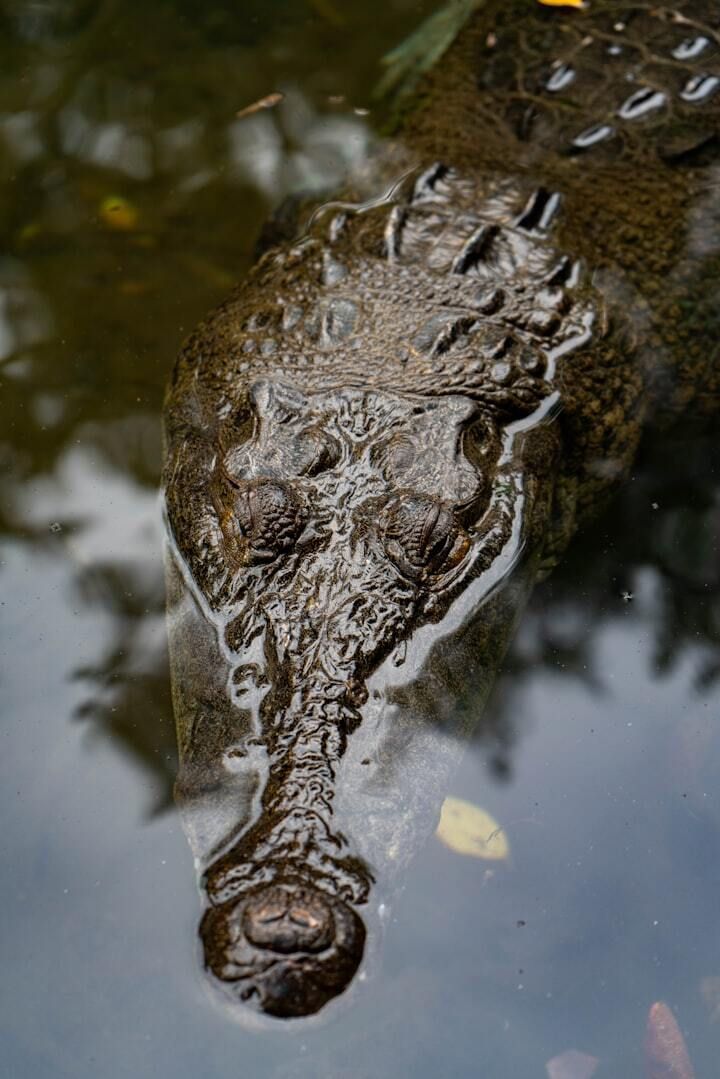
A skilled crocodile hunter can catch an animal that weighs as much as he does. A sentence like that sets your imagination going right away. We picture a man wrestling a huge reptile that's trying to drag him under the water. Then again, people didn't invent firearms only to not use them in situations like that. Our trip is purely for sightseeing, so shooting is out of the question. It's pleasant and safe. Until the moment we hear: "Further up it's too shallow for the boat. We get out and walk. Want to see a crocodile up close?"
In the kingdom of crocodiles, where the sea meets the river
Anyone who has watched Sunday nature shows on TV probably remembers this basic fact about crocodilians: they like fresh water. Their official home is rivers, ponds and swamps. Anything wet, but not salty. In San Blas, of course, it's different. Two species of these reptiles live here: the American crocodile and the spectacled caiman. Both have adapted to life in rivers as well as in the sea. The only exception is young crocodiles, which haven't yet developed the salt glands that help remove excess salt from the body. Anyway, nobody here is surprised to see a "log" moving upstream between the islands.
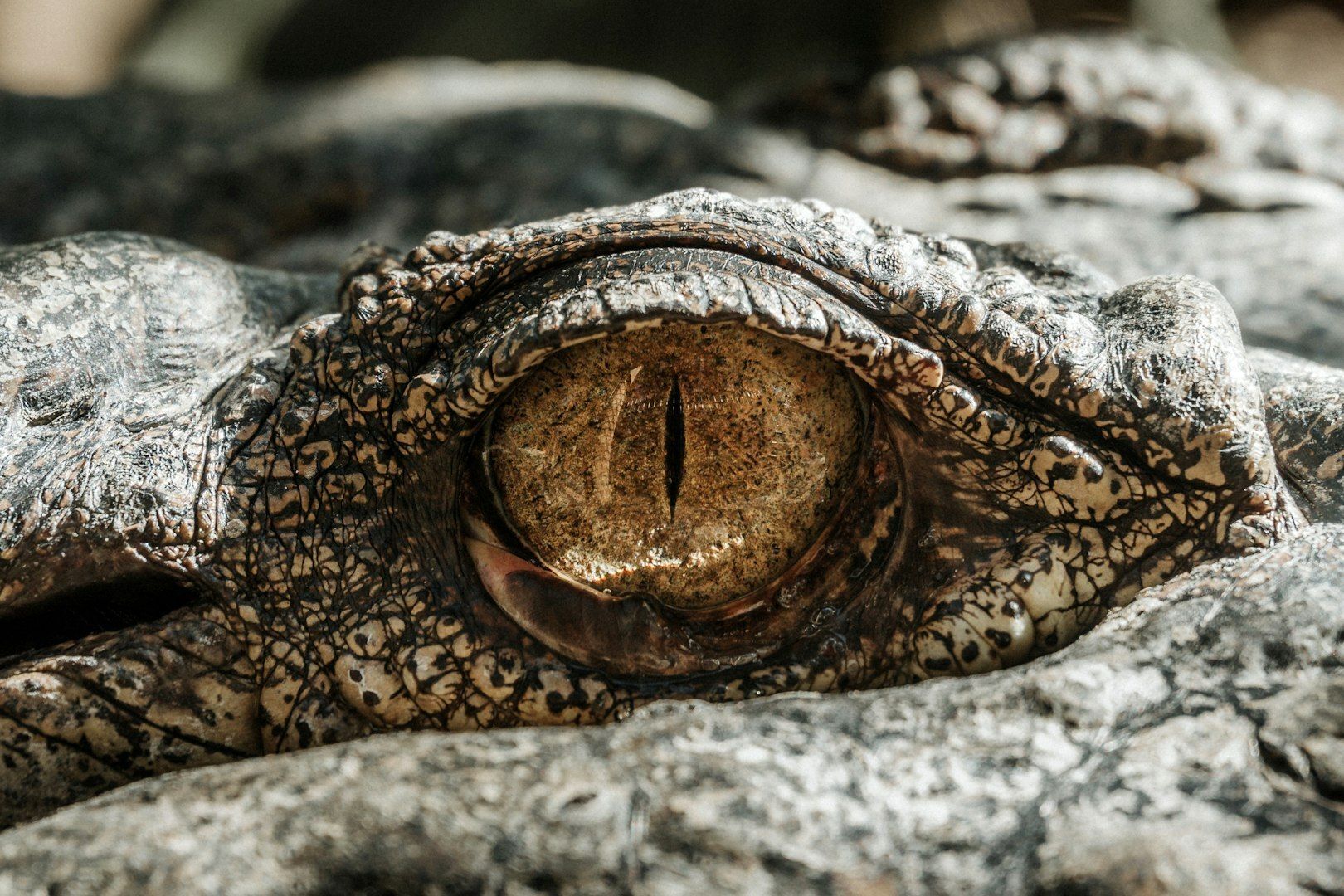
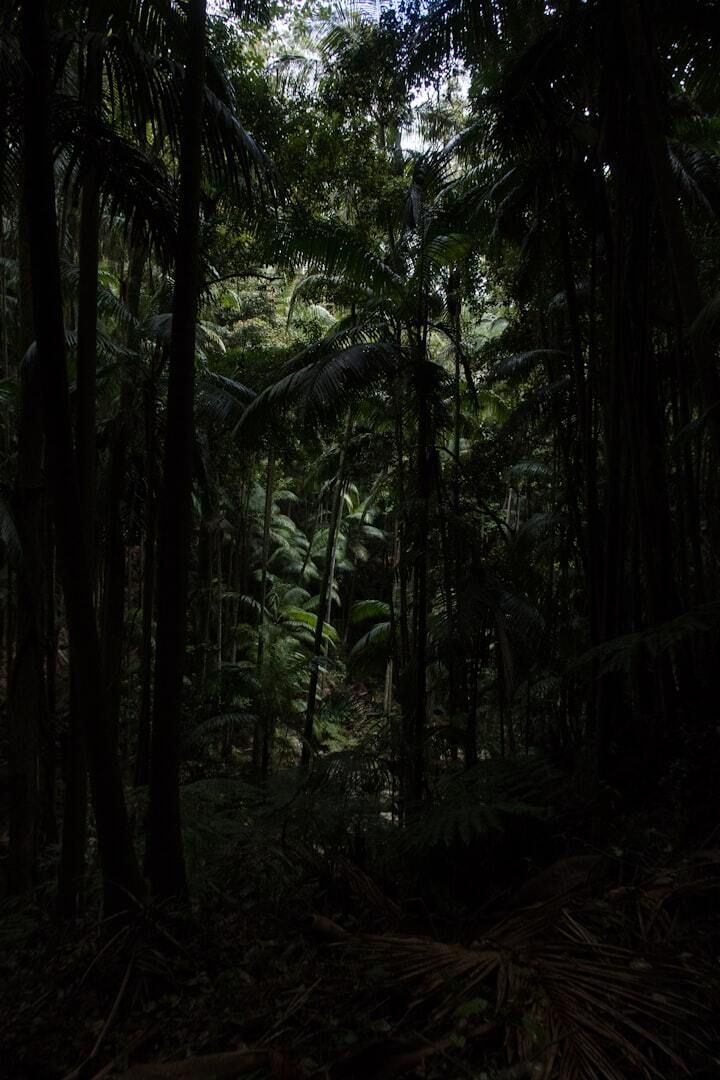
When the guide disappears into the dark
Before we can react, Max jumps out of the boat and heads into the nearest bushes with quick, gliding steps. "I think we'd better follow him," we say, quickly weighing our chances of survival. We go just as we are. We take only our flashlights. I remember the bug spray 5 minutes later, when I walk into a cloud of mosquitoes. "Where is he? Can you still see him?" I ask Michalina. At the same time, for the second time this evening, I think about luck: I may be wandering through a Central American jungle at night, but at least I'm with a doctor.
"There! I think he's looking for something in the water," I hear. We pick up the pace to catch up with him. A sound that drowns out the cicadas pulls me out of my thoughts about which life choices brought me to the point where I'm wading knee-deep in a river full of crocodiles. It's something between squeaky rubber, a frog's croak and a meow. But it's coming from far away, so we decide not to worry about it for now.
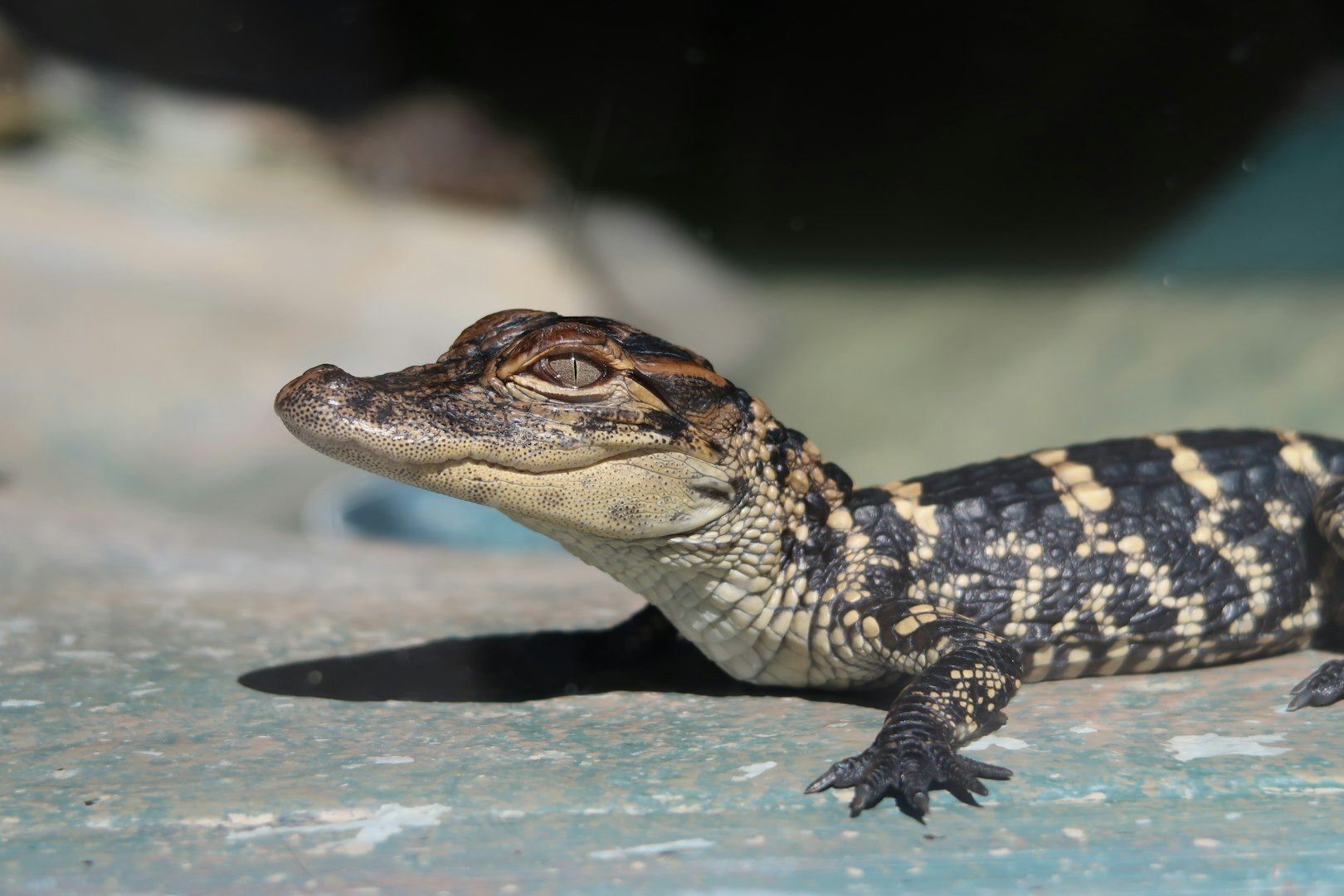
Two young crocodiles and one important question: where is their mother?
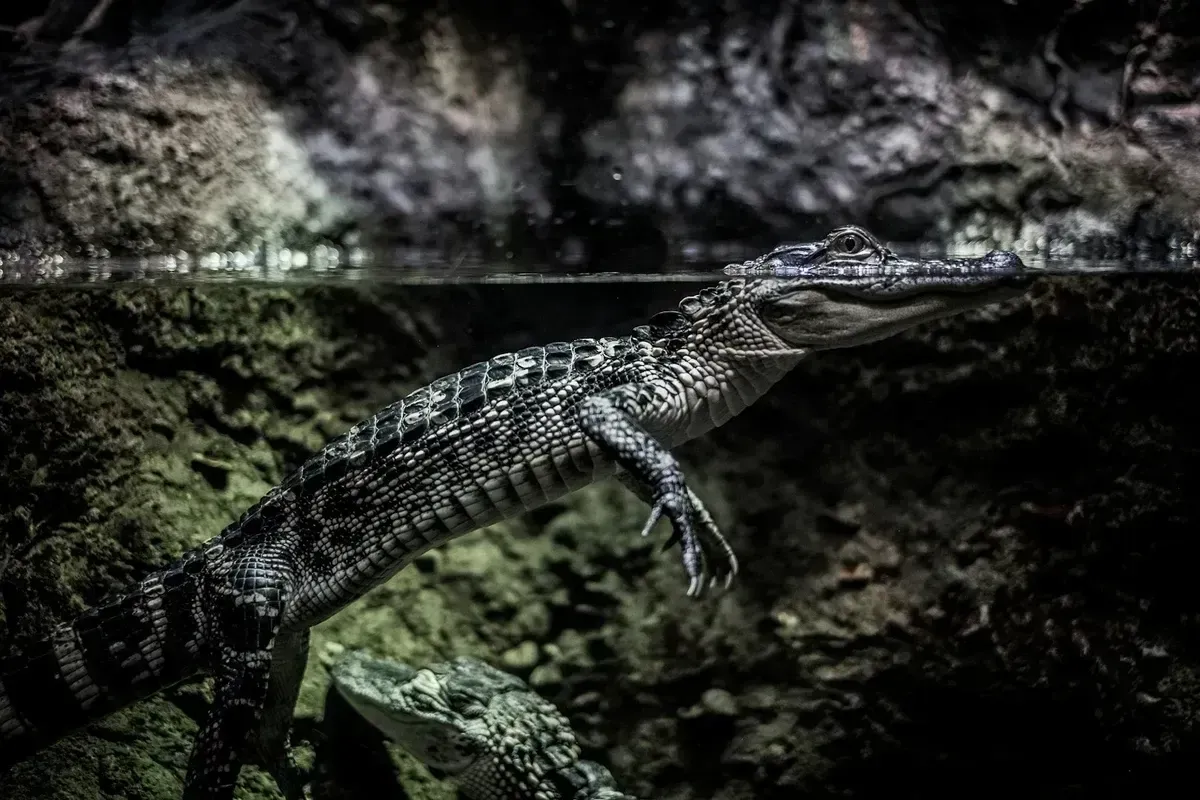
When we catch up with Max, he shows us, with a look of triumph on his face, what he's pulled out of the bushes. He's holding a young crocodile by the back. "There are lots of young ones here. I'll catch you another one," he says, and pushes the little crocodile into Michalina's hand. We stand there speechless for a moment, then burst out laughing. Probably from shock. With an expert eye, I judge that our new pet definitely hatched no earlier than this year and looks rather cute. Plus it makes those funny "rubbery" sounds… "It's calling its mother," Max tells us, carrying the second little one. "Umm, so maybe we should let it go?" I suggest, once my brain finally connects the dots. I'd rather not get in the way of a furious crocodile.
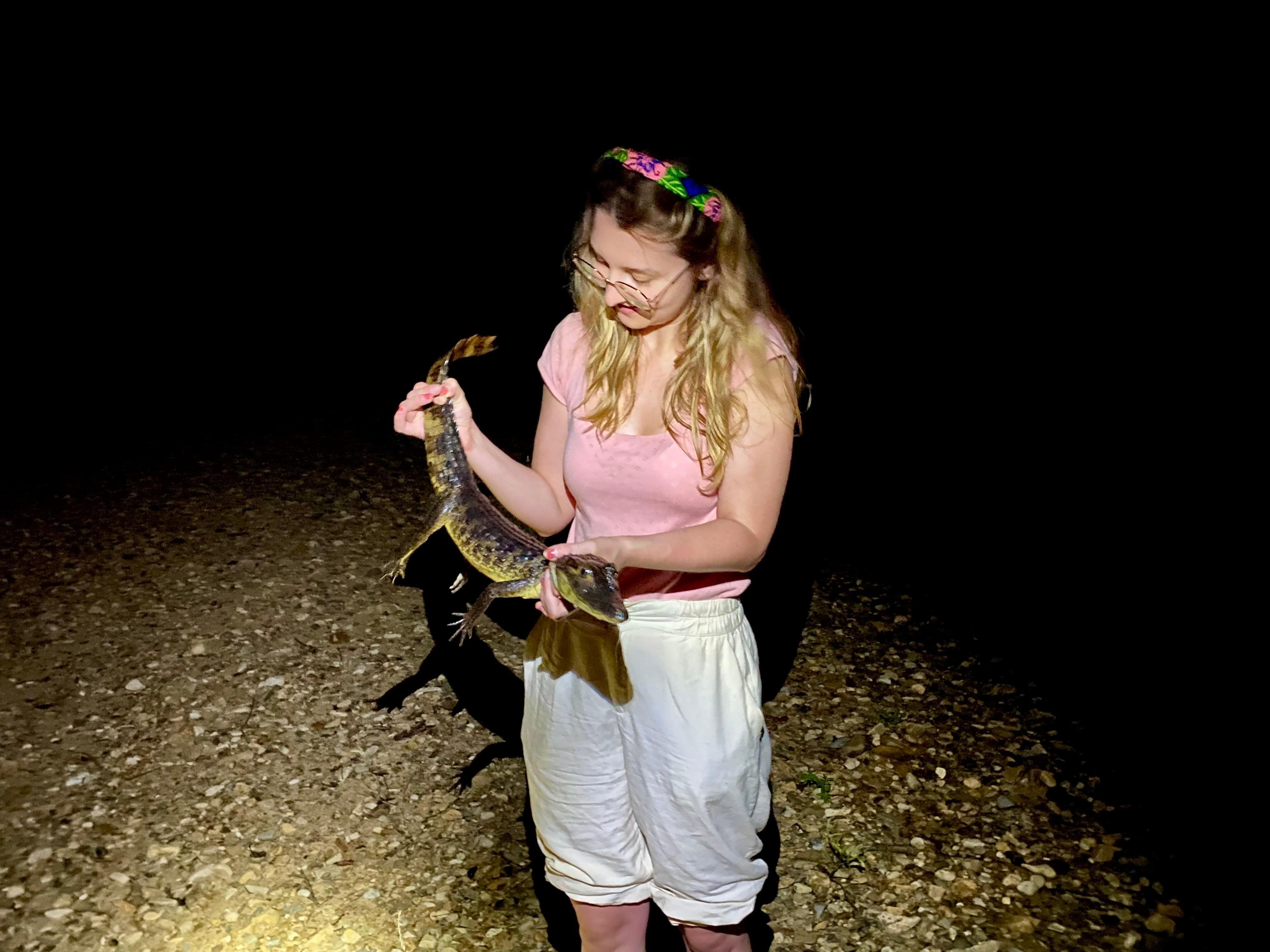
Crocodile moms turn out not to be the most caring mothers in the animal kingdom. Sure, they guard the nest of eggs for 90 days, but soon after hatching they decide they've done their duty and move to the other end of the river. The one we were given to look after turns out to be older than I thought. It's about 3 years old and has been an independent reptile for about as long. It will reach maturity at 8 to 10 years, and if it's an average crocodile, it will live in this river for 45 years.
A trip that stays with you forever
I don't know if getting this close to wild animals was ever on my bucket list, but when a 3-meter crocodile slowly swam past us on the way back, I understood that no zoo or animal sanctuary comes close to what we had just seen. It's one of those trips you can only tell your disbelieving friends about. All the photos look like they were taken with a calculator, because the crocodiles wouldn't hold still long enough for my exposure. It may not make a pretty Instagram post, but I stopped caring about that a long time ago. After all, I moved to the other side of the world and explored a real jungle in the middle of the night!
Adventures are best shared with other people, so we offer you a similar trip on your visit to Panama. Sign up for a San Blas sailing trip and we'll put together your dream vacation.